Reading List: Gravity, My / Favorite Enemy
I never want the audience to be confused about what they’re looking at—but I do want them to be confused about what it means. I want this because I want them to reach for possible meanings, to decide and choose, to feel that appetite of thinking that’s moved by desire.
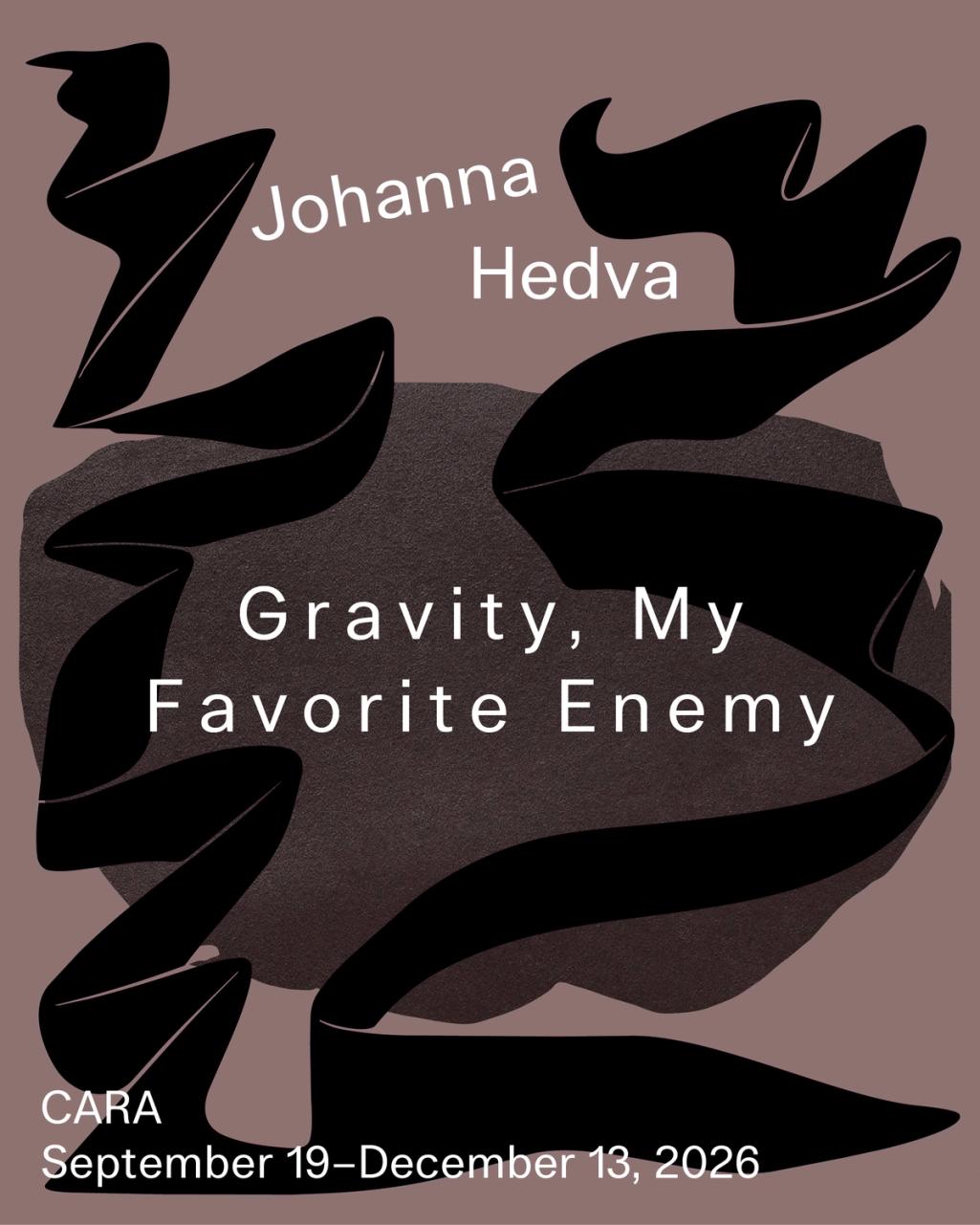
Johanna Hedva’s reading list on the occasion of the exhibition, Gravity, My / Favorite Enemy at CARA, on view through December 13, 2026.
Kim Eon Hee
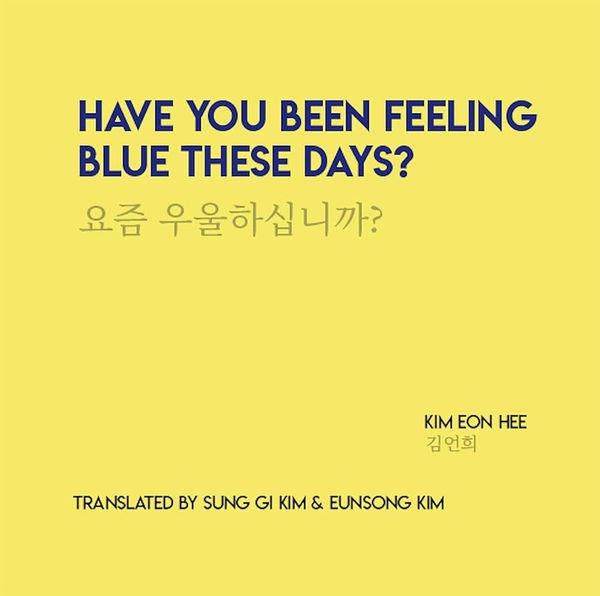
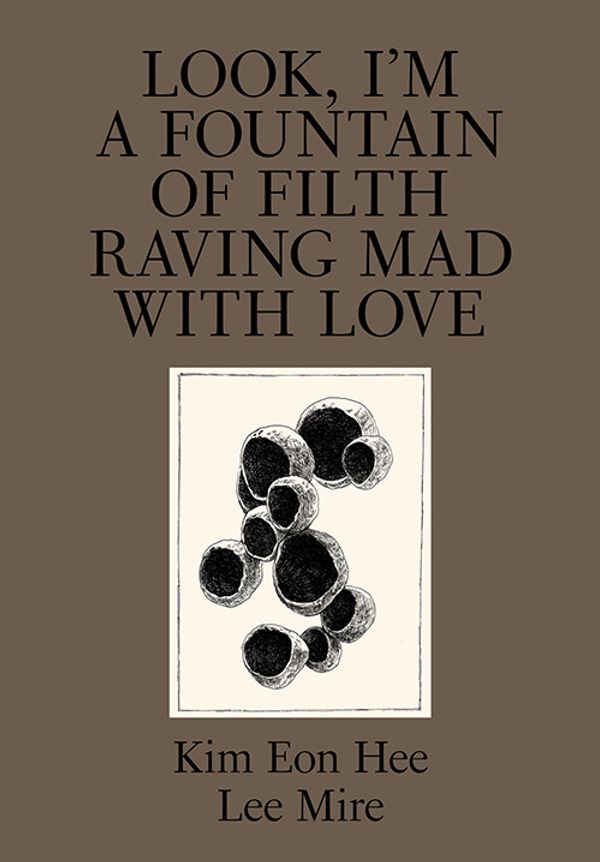
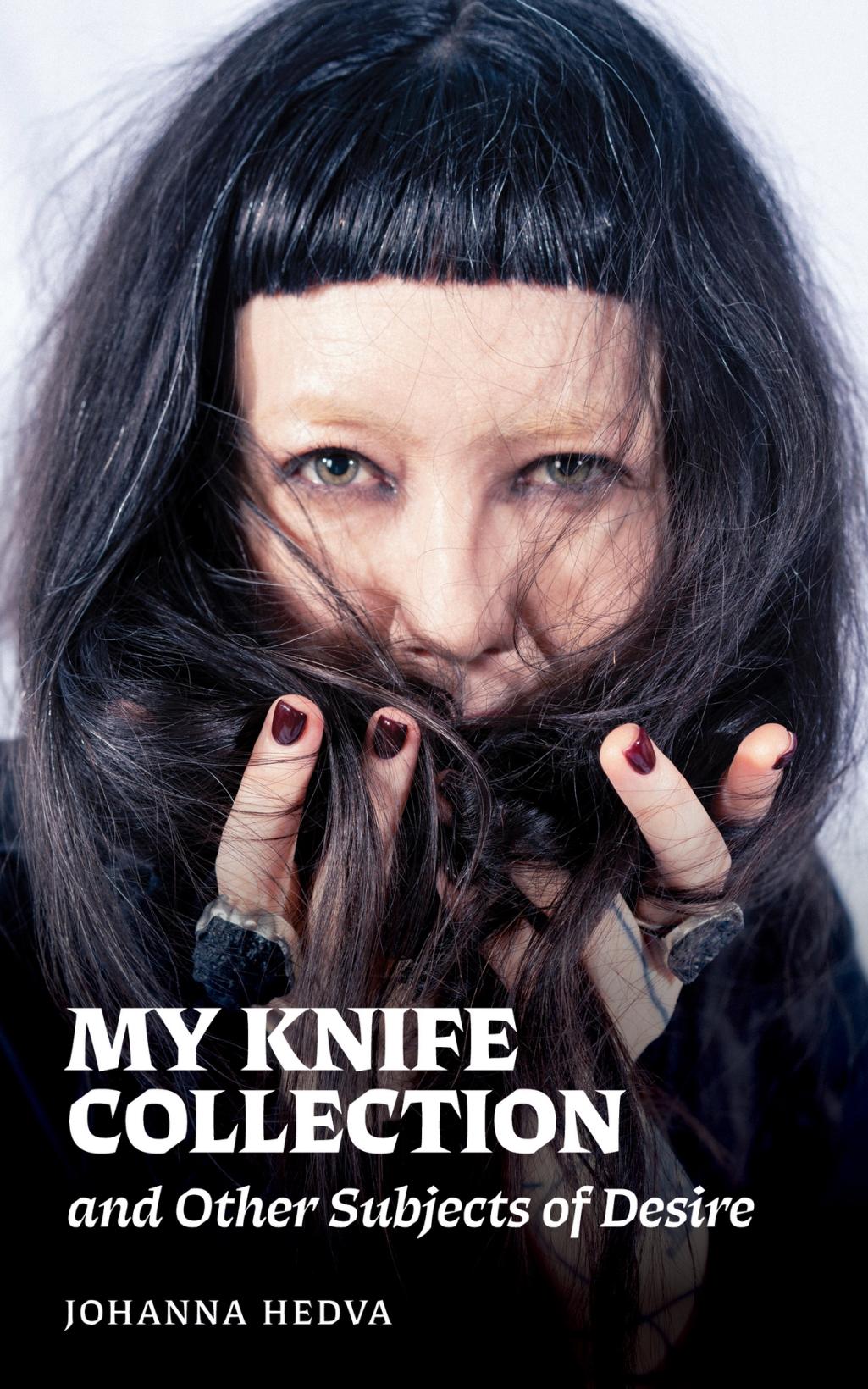
I am a Kim Eon Hee disciple. They call her the Medusa of South Korean poetry, and I have always preferred my saints festooned snakes and a corrupt number of heads. When I was in Seoul, I kept calling out for her, searching for her; I’d ask everyone I met, “Where is Kim Eon Hee???” She eschews the spotlight, refuses the scene, lives in the South, I was told; not much is known about her. At that point, she had only a slim volume translated into English by Noemi Press, and my copy was falling apart. Some months later, the universe dropped her into my lap in the form of an invitation from Mire Lee, who was translating some of Kim’s work to be included in a book published in conjunction with Mire’s incredible show at the Tate Modern. I was sent a 57-page document of the poems and I felt like a saint receiving the word. The essay I wrote for that publication, and the essay I wrote about Mire Lee for frieze, are included in my new book My Knife Collection and Other Subjects of Desire (Sming Sming Books, 2026). Vexingly but appropriately, the publication Mire made seems to have vanished from the internet, with the exception of a mention on a blog by Nam Subin who wrote the introduction. And so Kim Eon Hee keeps herself for herself.
Esther Yi
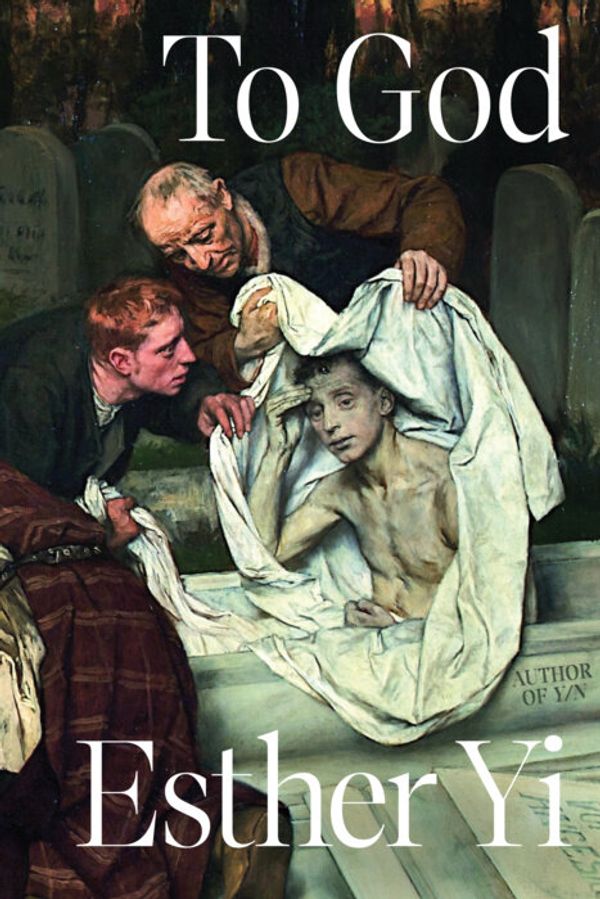
I sit in stunned, reverent, ragged silence when I read Esther Yi. I have to stop a lot and stare into the middle distance at its perfection. I feel I should quit, not just writing but altogether doing anything, and simply be in this work. She’s more than I can say.
Kang Young-Sook
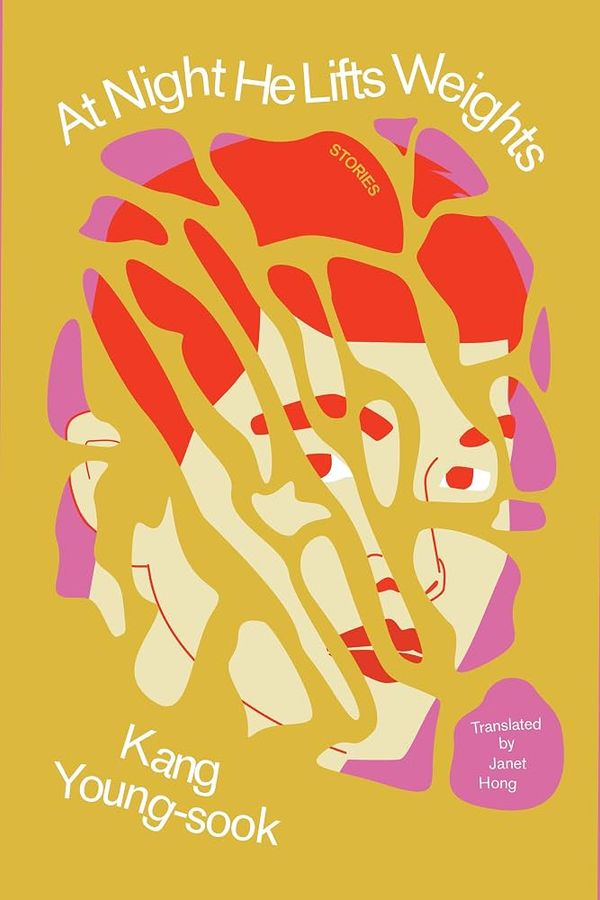
So sly in how it disturbs. What most impressed me about At Night He Lifts Weights (and I love everything I’ve read by her) is how she makes the very atmosphere, the weather, the sky, into a menacing, sentient character. The humans in this book are the smallest things; they live on the tiny surface of their selves, and the huge machine of the environment makes a meal of their smallness.
Yoko Ogawa
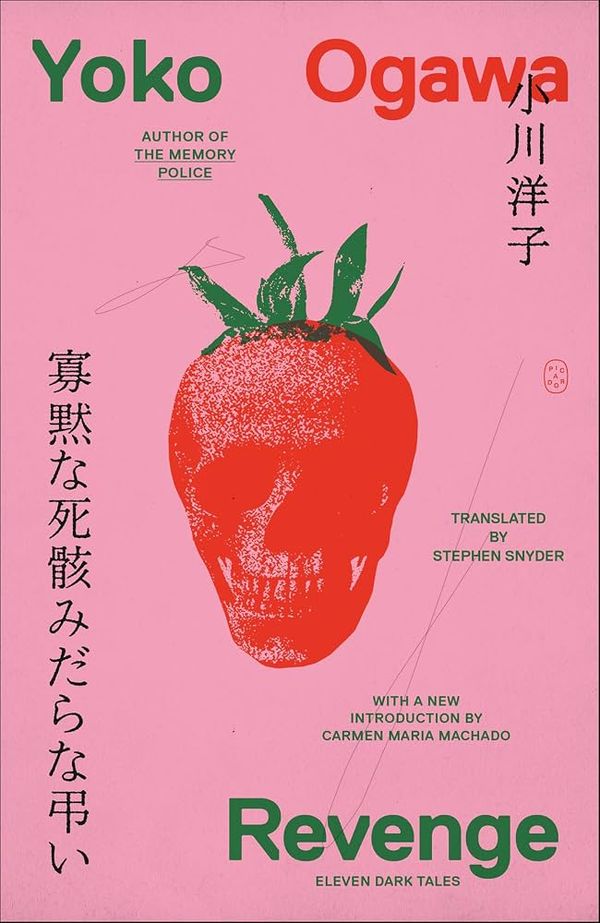
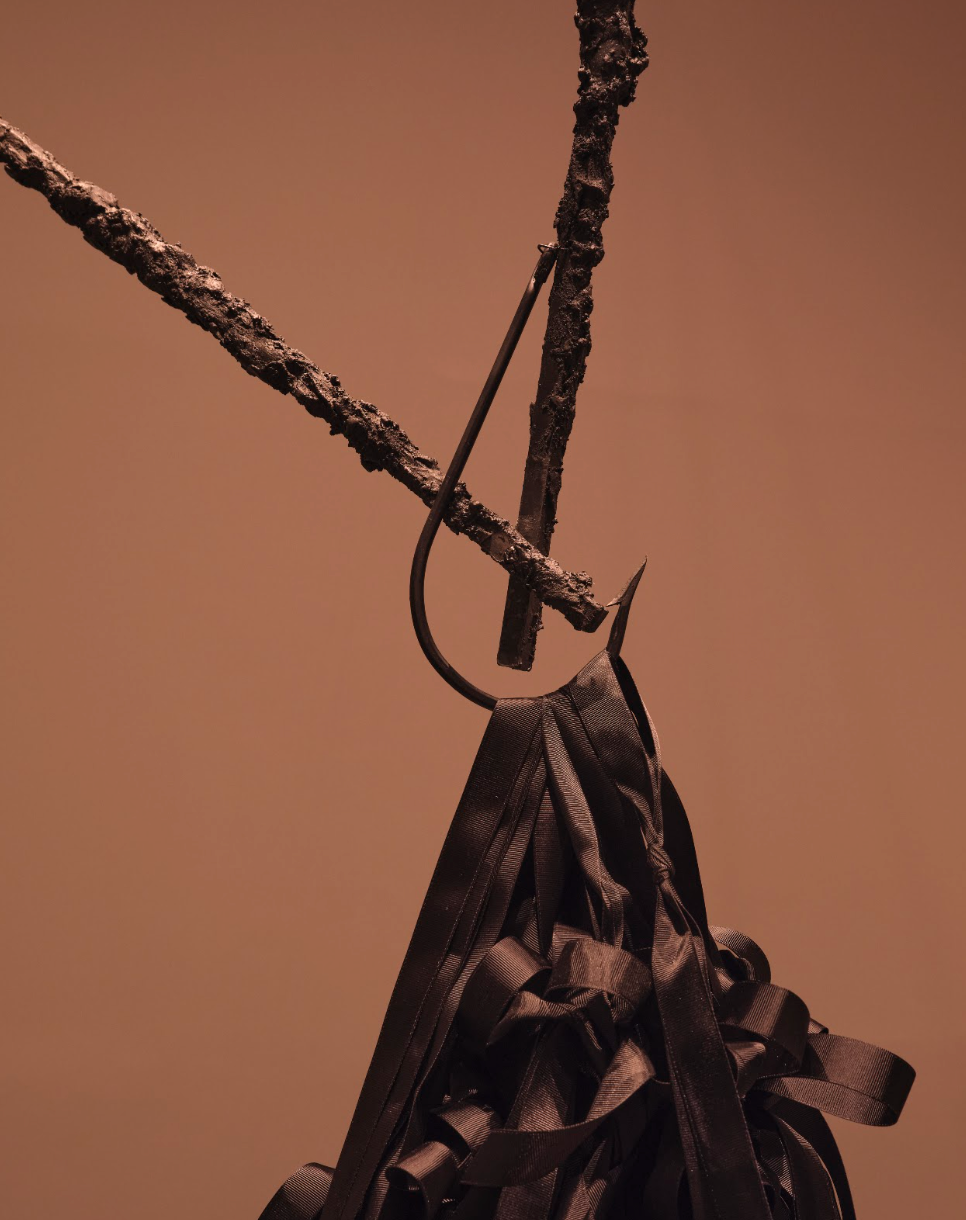
There is a scene in Revenge that changed what I know to be possible in one’s imagination. It comes at the end of the story “Fruit Juice,” where the characters find a large room at night and there is something in it. How the room came to be what it is and how it came to have what it has in it, is occluded from the characters and the reader (at least until a later story stretches back from another angle). The story itself does not try to answer the question of the “why” or “how” of the room, it simply exists that way, and yet the room feels appetitive, as if it is awake with choice. It fills the characters with desire. The characters reach for what’s in the room and start eating. This is how I wanted the rooms in my exhibition Gravity, My / Favorite Enemy to feel. I never want the audience to be confused about what they’re looking at—but I do want them to be confused about what it means. I want this because I want them to reach for possible meanings, to decide and choose, to feel that appetite of thinking that’s moved by desire. Shivering through that feeling is also that I want them to want to stay in the room for a long time, even if they are confused, or afraid. “Fruit Juice” in this collection showed me how to do that.
Iman Mersal
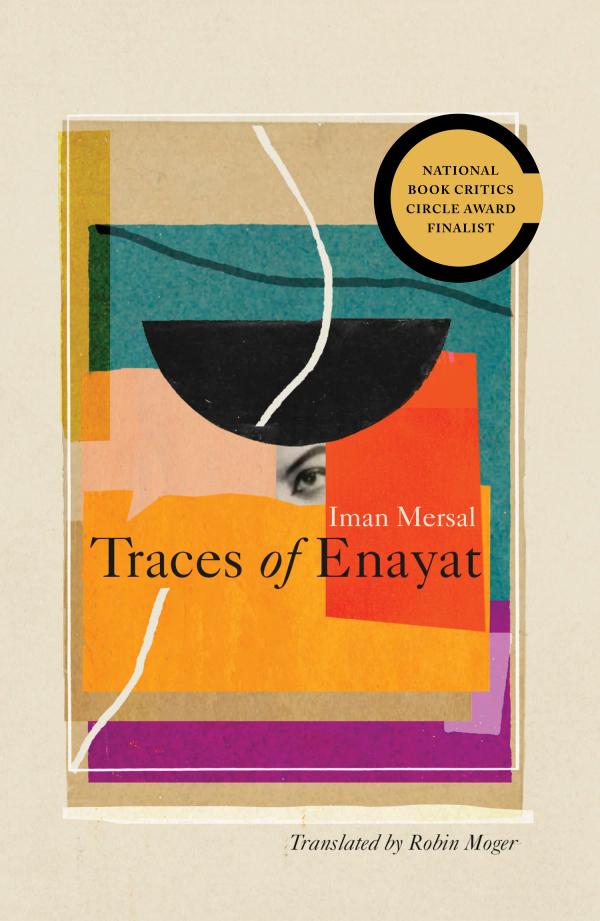
Traces of Enayat surprised me; I found it because I follow and love Transit Books. The book itself feels haunted, with Mersal searching through ruins and absences and mis-memories of a lost Egyptian writer, and this is a hauntedness I know. I know what it’s like to make work around a void, to have nothing left of a person, and to try to make the nothing sing.
manuel arturo abreu
This is hands down the most exciting piece of theory I’ve read in years.
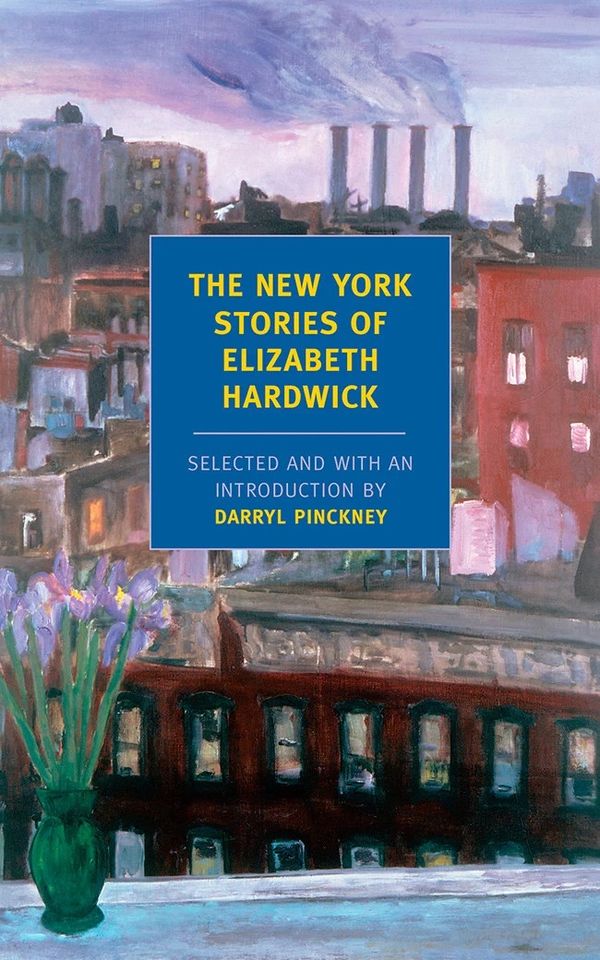
Elizabeth Hardwick
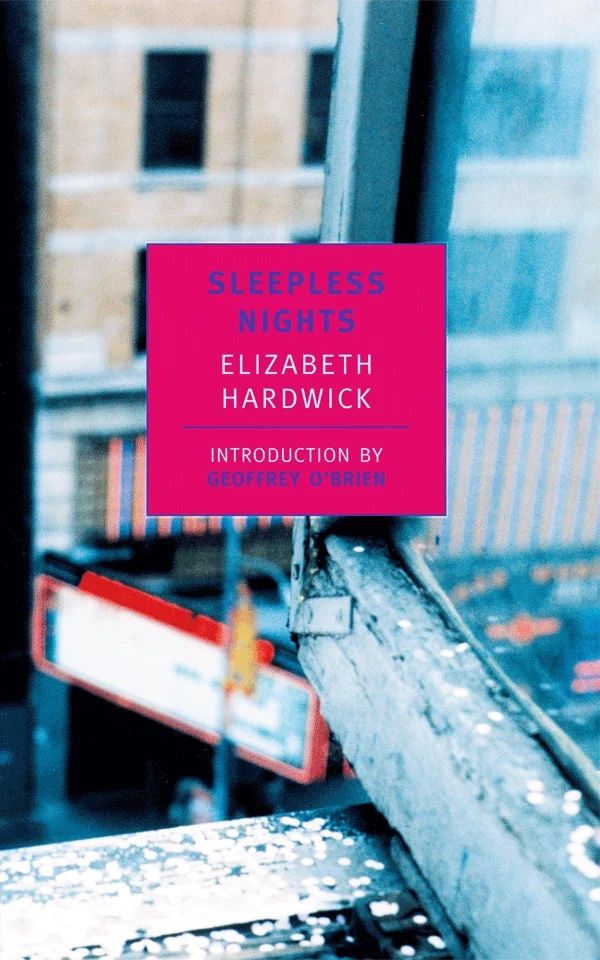
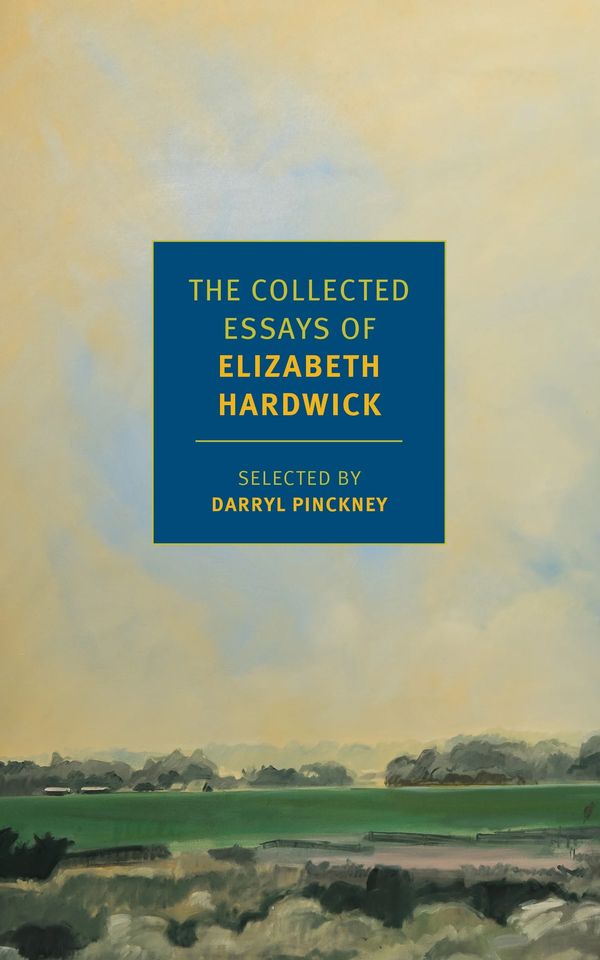
After a decade-long situationship where neither of us wanted to commit to each other, and in which I certainly had more romantic yearning for it than it had for me, New York City and I have finally decided to become exclusive. The opening of my exhibition at CARA was our official reason, but part of what has fueled my longtime simping for NYC has been a certain subsection of its world of twentieth-century writers. I adore Elizabeth Hardwick the most from this corner (the adjectives!), but I am also an ardent fan of Janet Malcolm, Vivian Gornick, Mary McCarthy, Renata Adler, Joan Acocella, Judith Thurman, Margo Jefferson, Kennedy Fraser, and Sigrid Nunez. It’s a certain kind of urbane New Yorker woman who has a vivisecting intelligence, a thesaurus so loved its spine is broken, and an imperious, gorgeous coat with a tyrannical collar—this woman pulls my heart along behind her. Her wit is ruinous; her sofa is velvet. I want to have dinner with her on the Upper East Side, or walk through SoHo and listen to her stories about what this all used to be back in the 1970s. We will discuss how Susan Sontag behaved badly at the party last weekend.
Related content
- Current: Exhibition
Johanna Hedva: Gravity, My / Favorite Enemy
- Past: Walkthrough
Exhibition Walkthrough and Listening Session with Johanna Hedva
- Past: Book Launch
My Knife Collection and Other Subjects of Desire Book Launch
- Past: Book Launch
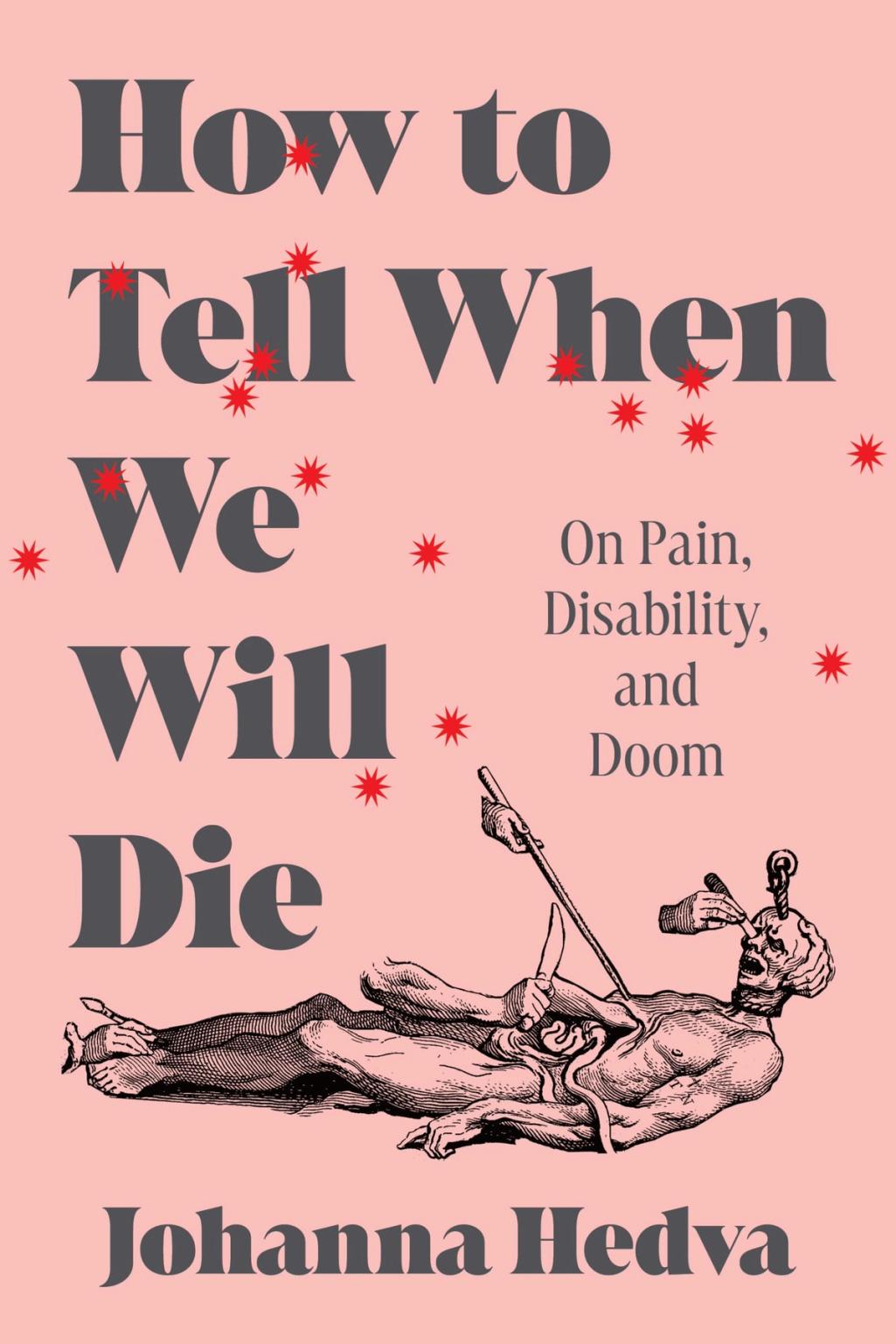
How to Tell When We Will Die: Book Launch and Conversation with Johanna Hedva and Zefyr Lisowski